
Students on the ASU downtown campus talking between classes on the evening of April 24, 2023.
An Education that Empowers Youth
By Abigail Wilt
May 1, 2023
Current Arizona legislation prevents public schools from providing students with medically accurate comprehensive sex ed. These policies contribute to larger political issues like abortion rates and sexual violence.
It is hard to refute that teens need guidance when it comes to their sexual development. For the first time in their lives, they are forced to confront issues about their bodies and developing sexuality. While some seek answers in reliable places, many rely on sources like porn or insight from peers to influence their views on sexuality.
According to a recent study, the average age a child is exposed to porn is 11 years old. Children who consume porn are at a higher risk for poor mental health, sexism, objectification, sexual violence and a whole array of other negative outcomes.
For parents seeking to provide their child with medically accurate information about their sexuality, the presence of comprehensive sex ed curriculums in schools is a huge factor.
A recent study showed that only 33% of people between the ages of 18-29 reported having some kind of sex ed while in school. The quality of that education varies.
Not only does the inclusion of these programs provide students with reliable and accurate information, but it takes the burden off of parents who do not know how to educate their children.
Sexual stigma is another reason contributing to the lack of support for teens. History has woven sexual stigma into religious values, legislation, education and private households.
The fight against stigma is one that continues to prevent change in sex ed policies. Sex is a taboo topic, especially when it comes to youth. Many parents do not want to acknowledge their children as sexual beings even if biology says otherwise.
Spreading awareness through speaking about the topic and advocating for change are just two ways to fight back against stigma. Sexuality is a huge aspect of human existence and talking about it should be normalized, especially in educational settings.
Arizona policies state that if a school decides to teach sex ed, it is required to stress abstinence. Abstinence-only education has been associated with high adolescent pregnancy rates, higher rates of STIs and HIV and result in a higher risk in teens not using contraception.
Abstinence-only education programs have been known to promote judgment, fear, guilt and shame around sex. These values do not empower teens to make healthy choices for their sexuality.
Abstinence-only programs are often heteronormative reinforcing stigma and discrimination towards LGBTQ youth. This can result in higher rates of HIV, substance use, suicide and sexual violence towards the minority.
A recent study showed that towards the end of high school, 57% of adolescents will have had sex. Another study by the CDC showed that 11.9% of high school students report not using any contraception the last time they engaged in sex.
Despite these numbers, policies still do not reflect the needs of teens and young adults. Funding for Title V SRAE and discretionary SRAE grants has increased in recent years. There are many steps that need to be taken to reverse these harmful policies, one of them is to stop the federal funding of Title V SRAE programs.
There are many organizations that recognize the urgent need for sex education and are working to provide teens with healthy outside resources and education.
Advocates for Youth, AMAZE, Healthy Teen Network, SIECUS, The Condom Collective and El Rio’s Health Reproductive Health Access Program are just a few of the organizations that are working to help teens.
Deborah Chilcoat, a sexual and reproductive health expert for Healthy Teen Network, shares a little bit about the role sex education plays in the lives of teens.
"There are a lot of confused kids and a lot of instances of abuse where kids are being taken advantage of. There is a very strong cultural shift that needs to happen to bridge the gap between hyper-sexuality and the rigid puritanical approach. Sex ed is not the end all be all, but it is important in raising healthy adults," Chilcoat said.
The Condom Collective, hosted by the parent organization, Advocates for Change, works to equip college students across the U.S. with contraceptives.
Partnered with Trojan, college students can apply to receive a package of 500 condoms to distribute to sexually active college students. This program has reduced the instances of unprotected sex on college campuses and helped increase access to contraceptives.
Angela Maske, a member of the Condom Collective, shares how the organization has contributed to healthier sex practices among college students.
"Our work is not only helping to protect college students, but it is allowing people to have conversations. From research, a lot of college students are engaging in sex and there are high numbers of STI outbreaks on college campuses. Students needs these resources. The Condom Collective helps to instill more of a culture around safer sex and consent," says Maske.
The issue of sex education has never been more relevant with the recent overturning of Roe v Wade. Since the Supreme Court decision in June 2022, abortion access has been banned or severely restricted in many conservative states. Currently, states are working to ban access to emergency contraceptives putting many women at risk for unwanted pregnancies. This includes young people.
Without proper sex education, adolescents are not making informed decisions about their sexual health and are putting themselves at risk. The current political climate is pushing for the restriction of abortions, but is not advocating for the education that mitigates the instances of unwanted pregnancies.
Politicians are failing to identify the root of the issue and are refusing to advocate for policies that will help. Without proper sex education, unwanted pregnancies will continue to rise and so will abortions. Restricting abortions will not reduce the number of women who want them, it will only make it more difficult.
The road is long for changes to be made to these policies. Arizona board member and representative for District 19, Devin Del Palacio speaks about the projected timeline for change in the policies.
"15-20 years. Unless who's elected is voted out, it's not going to happen. If you look at the current climate of politics, it's very toxic right now. When people like you in your generation start voting more, then things will start to change," Del Palacio said.
Advocating for this education, lifting up voices and taking political action through voting are just a few ways that will help make a change.
In the meantime, spreading the word about notable organizations that are providing sex education and resources for young people will help teens in need right now. Teens can have access to comprehensive sex ed without the support of the government. There is hope and there is help.
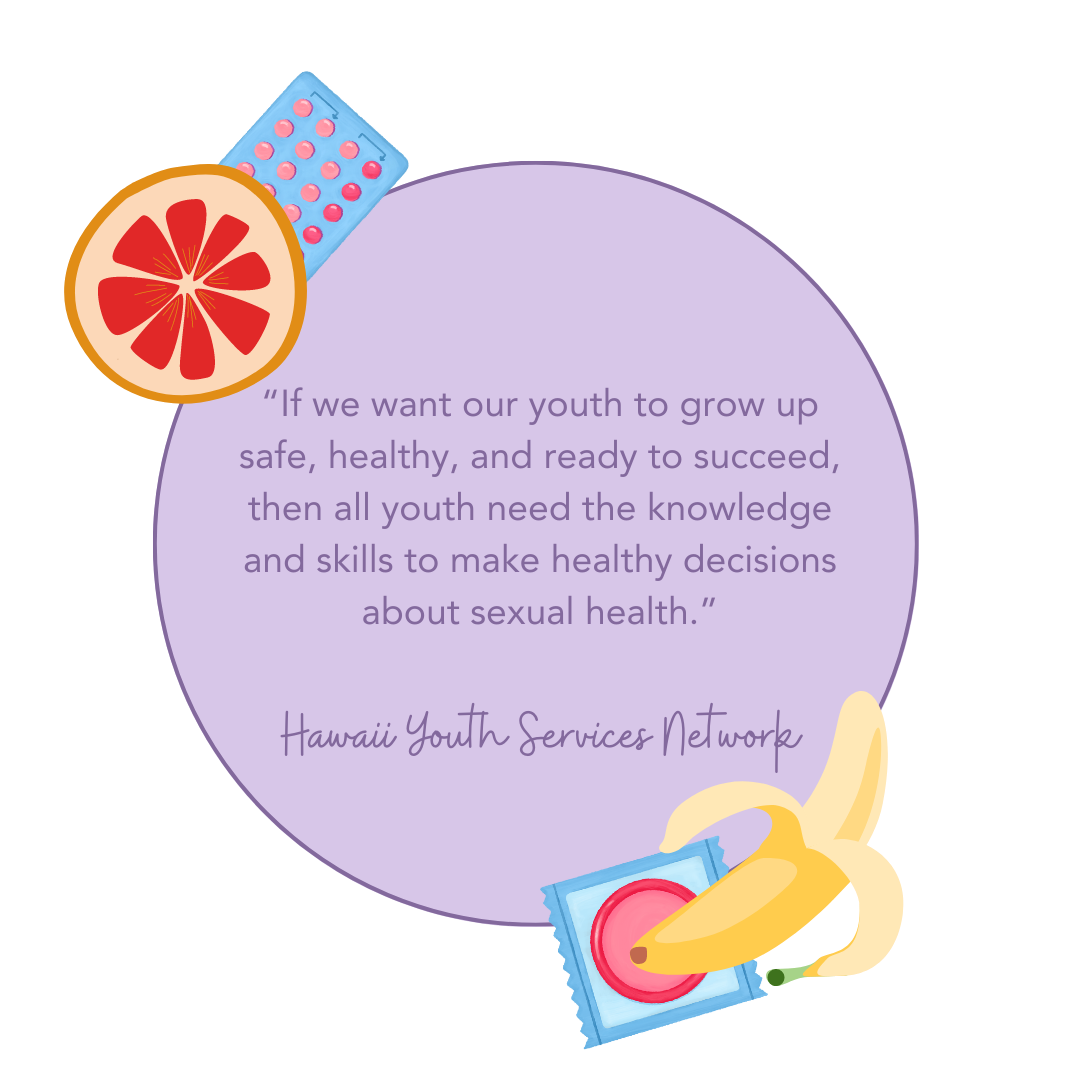
Read more about sex ed